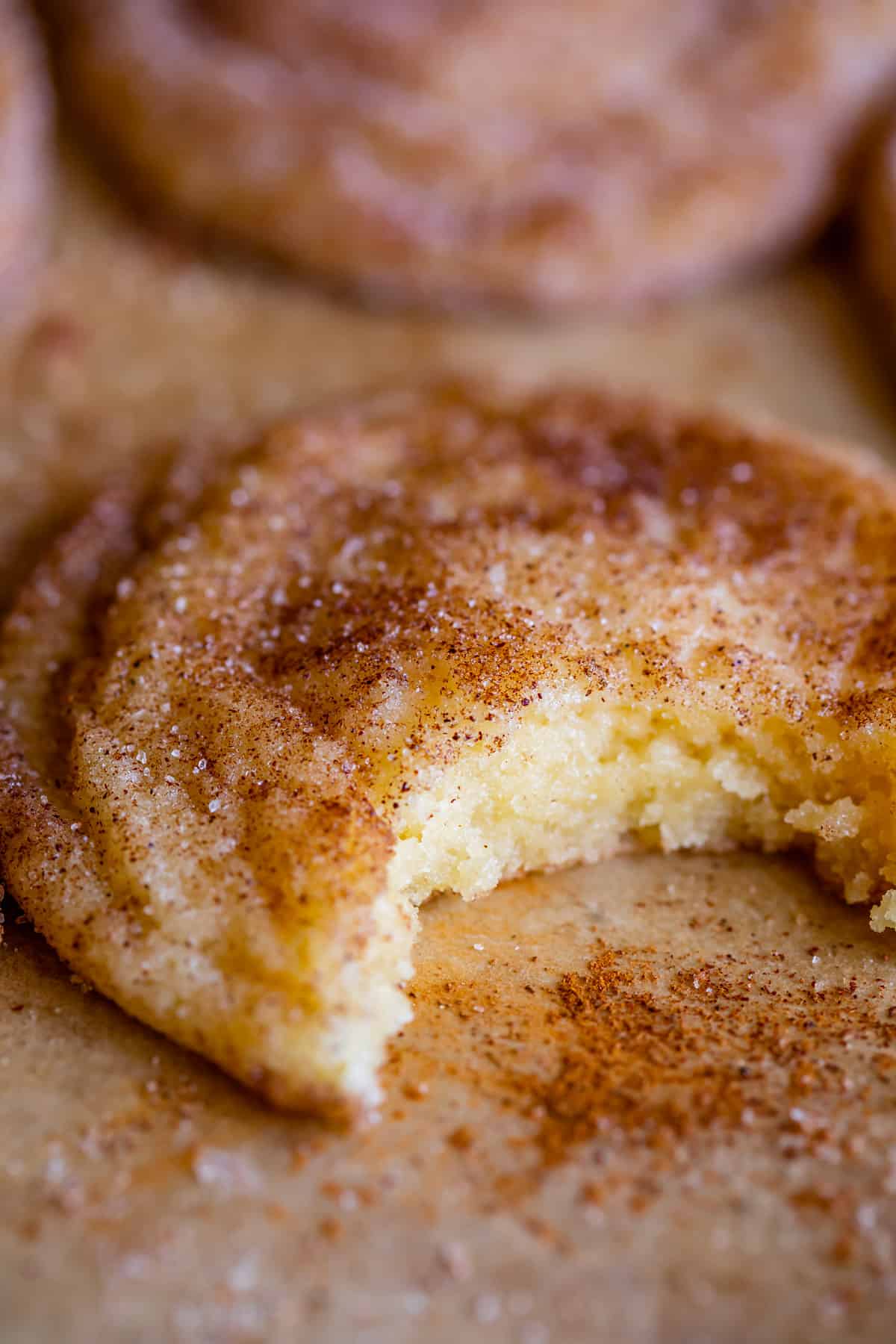
Beyond the Basic Batch: Elevating Your Best Snickerdoodle Cookies Recipe
You've likely mastered the foundational steps, perhaps even following a classic best snickerdoodle cookies recipe - Article 1. But what if we told you there's a world beyond simply baking a good cookie? The quest for the best snickerdoodle cookies recipe is an ongoing journey of refinement, understanding the science, and finessing your technique to achieve unparalleled chewiness, perfect tang, and that signature melt-in-your-mouth texture. This article delves deeper, providing advanced insights and troubleshooting tips to transform your snickerdoodles from delicious to truly legendary.
Many home bakers find themselves consistently producing decent snickerdoodles, yet they aspire for that elusive "bakery-quality" result. The secret often lies not in a radically different ingredient list, but in mastering the nuances of each step and understanding how ingredients interact. It’s about precision, observation, and a willingness to experiment just a little. Let's unlock the true potential of your snickerdoodle baking.
Mastering the Snickerdoodle Science: Why Ingredients and Technique Matter
Achieving the best snickerdoodle cookies recipe isn't just about following instructions; it's about understanding the 'why' behind each step. Every ingredient and technique plays a crucial role in the final texture, flavor, and appearance of your cookies. Think of baking as a delicate chemical process, where temperature, mixing, and ingredient quality all contribute to the masterpiece.
The Foundation: Ingredients Beyond Measure
- Butter Quality and Temperature: Always opt for unsalted butter. This gives you control over the salt content. Crucially, your butter must be at true room temperature – soft enough to make an indentation with your finger, but still cool. If it's too warm, your cookies will spread excessively. If too cold, it won't cream properly, leading to a dense cookie.
- Sugar's Dual Role: Granulated sugar not only sweetens but also helps create structure and crispness around the edges. When creaming with butter, it aerates the mixture, contributing to a light, tender crumb.
- Eggs: The Binding Agent: Large eggs, also at room temperature, integrate better into the creamed mixture, creating a smooth emulsion that prevents separation. They provide moisture, richness, and act as a binder, holding everything together.
- Flour: The Backbone: All-purpose flour is standard. The most common mistake is measuring too much flour. Always spoon and level – gently spoon flour into your measuring cup, then level off the top with a straight edge. Over-packed flour leads to dry, dense, and crumbly cookies.
- Cream of Tartar: The Signature Snickerdoodle Secret: This is what truly defines a snickerdoodle. Cream of tartar (potassium bitartrate) is an acidic powder that, when combined with baking soda, reacts to produce carbon dioxide, giving the cookies their characteristic rise and chewiness. More importantly, it prevents sugar from crystallizing, contributing to the distinct tangy flavor and soft texture. Without it, you just have a sugar cookie.
- Cinnamon Sugar Coating: Quality Over Quantity: Use good quality cinnamon. The classic ratio is typically 2 parts sugar to 1 part cinnamon, but don't be afraid to adjust slightly to your preference. Ensure the dough balls are generously and evenly coated for that beautiful crackled finish and burst of spice.
Precision in Preparation: Techniques for Success
- Creaming Butter and Sugar: This is a critical step. Beat the room-temperature butter and sugar together until light, fluffy, and noticeably pale. This process incorporates air, which is essential for a tender cookie. Don't rush it; it can take 3-5 minutes with a stand mixer.
- Avoiding Overmixing: Once the flour is added, mix only until just combined. Overmixing develops gluten, which can lead to tough, chewy cookies.
- Chilling the Dough: This step is non-negotiable for the best snickerdoodle cookies recipe. Chilling for at least 30 minutes (or up to 24 hours) firms up the butter, preventing the cookies from spreading too much in the oven. It also allows the flavors to meld, resulting in a richer taste.
- Baking Temperature and Time: Preheat your oven thoroughly. A common pitfall is placing cookies into an oven that hasn't reached its set temperature. Bake until the edges are just set and lightly golden, but the centers still look slightly underdone. Cookies continue to bake from residual heat after they're removed from the oven (carry-over cooking).
For more basic baking techniques and a solid recipe foundation, refer to best snickerdoodle cookies recipe - Article 2.
Common Snickerdoodle Conundrums Solved: Troubleshooting Your Way to Perfection
Even with the most detailed recipe, sometimes things go awry. Don't despair! Most snickerdoodle issues have straightforward solutions. Understanding these common problems can significantly improve your results and help you consistently bake the best snickerdoodle cookies recipe.
Why are my Snickerdoodles Flat?
Flat cookies are a common complaint, often due to a few culprits:
- Warm Dough: Insufficient chilling. Ensure your dough is properly chilled before baking.
- Warm Butter: Butter that was too soft or melted when creamed.
- Over-Creaming: Too much air incorporated initially, causing the cookies to collapse.
- Expired Leavening: Old baking soda or cream of tartar won't provide the necessary lift. Test them before baking.
- Oven Temperature: An oven that's too low can cause cookies to spread before setting. Consider using an oven thermometer to verify accuracy.
- Too Much Butter/Liquid: An imbalanced recipe might have too much fat or liquid.
Why are my Snickerdoodles Hard or Dry?
Tough or dry cookies usually point to one primary issue:
- Overbaking: The most common cause. Cookies continue to bake after being removed from the oven. Pull them out when the edges are just set and the centers still look soft.
- Too Much Flour: Improperly measured or excessive flour. Refer to the spoon-and-level method.
- Overmixing the Dough: Developing too much gluten makes cookies tough.
- Not Enough Fat or Moisture: An imbalanced recipe might lack enough butter or egg.
Why is my Dough Crumbly?
A crumbly dough is difficult to roll and shape:
- Too Much Flour: Again, incorrect flour measurement.
- Not Enough Liquid/Fat: The dough lacks sufficient moisture from butter or eggs to bind together.
- Cold Ingredients: If your butter or eggs were too cold, they might not have emulsified properly with the other ingredients.
Practical Tip: Keep a baking journal! Note down oven temperatures, chilling times, and ingredient brands. This helps identify variables and fine-tune your process for the ultimate best snickerdoodle cookies recipe for your kitchen.
Creative Twists and Flavor Variations for Your Best Snickerdoodle Cookies Recipe
Once you've mastered the classic, don't hesitate to experiment! The versatility of the snickerdoodle base makes it perfect for delicious and exciting variations. Elevating your snickerdoodles with unique flavors can truly earn them the title of the best snickerdoodle cookies recipe in your repertoire.
Spiced Snickerdoodles
Infuse additional warmth into your cookies:
- Adding to the Dough: Incorporate 1/2 teaspoon of ground nutmeg, a pinch of cardamom, or a touch of ginger alongside the cream of tartar and baking soda.
- Elevating the Coating: Mix a small amount of allspice or ground cloves into your cinnamon sugar coating for an autumnal twist.
Brown Butter Snickerdoodles
Browning the butter adds a nutty, sophisticated depth of flavor:
- Gently melt your butter in a light-colored saucepan over medium heat, stirring occasionally.
- Continue to cook until the butter turns amber and small brown bits form at the bottom, releasing a nutty aroma.
- Pour into a heatproof bowl and chill until solid, then bring back to room temperature before creaming.
Chocolate Chip Snickerdoodles
A delightful mash-up of two favorites:
- Fold in 1/2 to 1 cup of mini chocolate chips (or finely chopped chocolate) into the dough during the final mixing stage.
Citrus Zest Snickerdoodles
A bright, refreshing twist:
- Add 1-2 teaspoons of finely grated lemon or orange zest to your butter and sugar mixture when creaming. The oils from the zest will infuse beautifully into the dough.
Fun Fact: While the exact origin of snickerdoodles is debated, they are believed to have originated in New England, possibly with German or Dutch influences, and have been a beloved American classic since at least the late 19th century. The name itself is thought to be a whimsical, nonsensical word, much like "gingersnap" or "hobnob."
Serving and Storing Your Masterpiece: Keeping Your Snickerdoodles Fresh
You've put in the effort to bake the best snickerdoodle cookies recipe; now, ensure they stay perfect for as long as possible. Proper cooling, storage, and even reheating can make a significant difference in their longevity and enjoyment.
Optimal Cooling for Perfect Texture
- On the Baking Sheet: Allow cookies to cool on the hot baking sheet for 5-10 minutes after removing from the oven. This allows them to finish setting and prevents them from breaking when transferred.
- Wire Rack Finish: Carefully transfer the slightly cooled cookies to a wire cooling rack to cool completely. Air circulation around all sides prevents sogginess and ensures a crisp exterior with a chewy interior.
Storage Tips for Freshness
- Airtight Container: Once completely cool, store snickerdoodles in an airtight container at room temperature.
- Parchment Layering: If stacking, place small pieces of parchment paper between layers to prevent sticking and preserve their delicate cinnamon sugar coating.
- Freezing Baked Cookies: For longer storage, freeze cooled cookies in an airtight, freezer-safe container for up to 3 months. Thaw at room temperature or warm briefly in the oven.
- Freezing Dough: You can also freeze individual dough balls (after coating in cinnamon sugar) on a baking sheet, then transfer to a freezer bag. Bake from frozen, adding a minute or two to the baking time. This allows you to have fresh, warm snickerdoodles on demand!
Reheating for That "Just Baked" Experience
- If your snickerdoodles have lost a bit of their freshness, a quick warm-up can revive them. Pop them in the microwave for 10-15 seconds, or in a preheated oven (around 275°F / 135°C) for 3-5 minutes. This brings back their soft, chewy texture and fragrant aroma.
Conclusion
The journey to perfecting the best snickerdoodle cookies recipe is an incredibly rewarding one. By delving into the science of ingredients, mastering precise techniques, troubleshooting common issues, and even exploring creative variations, you're not just following a recipe; you're becoming a more intuitive and skilled baker. Each batch offers a chance to learn and refine, bringing you closer to that ideal cookie—one that boasts a perfect balance of tang, sweetness, chewiness, and a delightful crackle. So go forth, bake with confidence, and enjoy every flavorful step of your snickerdoodle adventure!
